One Health starts in the landscape.
Why the health of people, animals and ecosystems is decided on rangelands, wetlands and forest edges, and what it takes to plan for all three at once.
 By Moffatt Kang’iri Ngugi, PhD·13 November 2026·7 min read
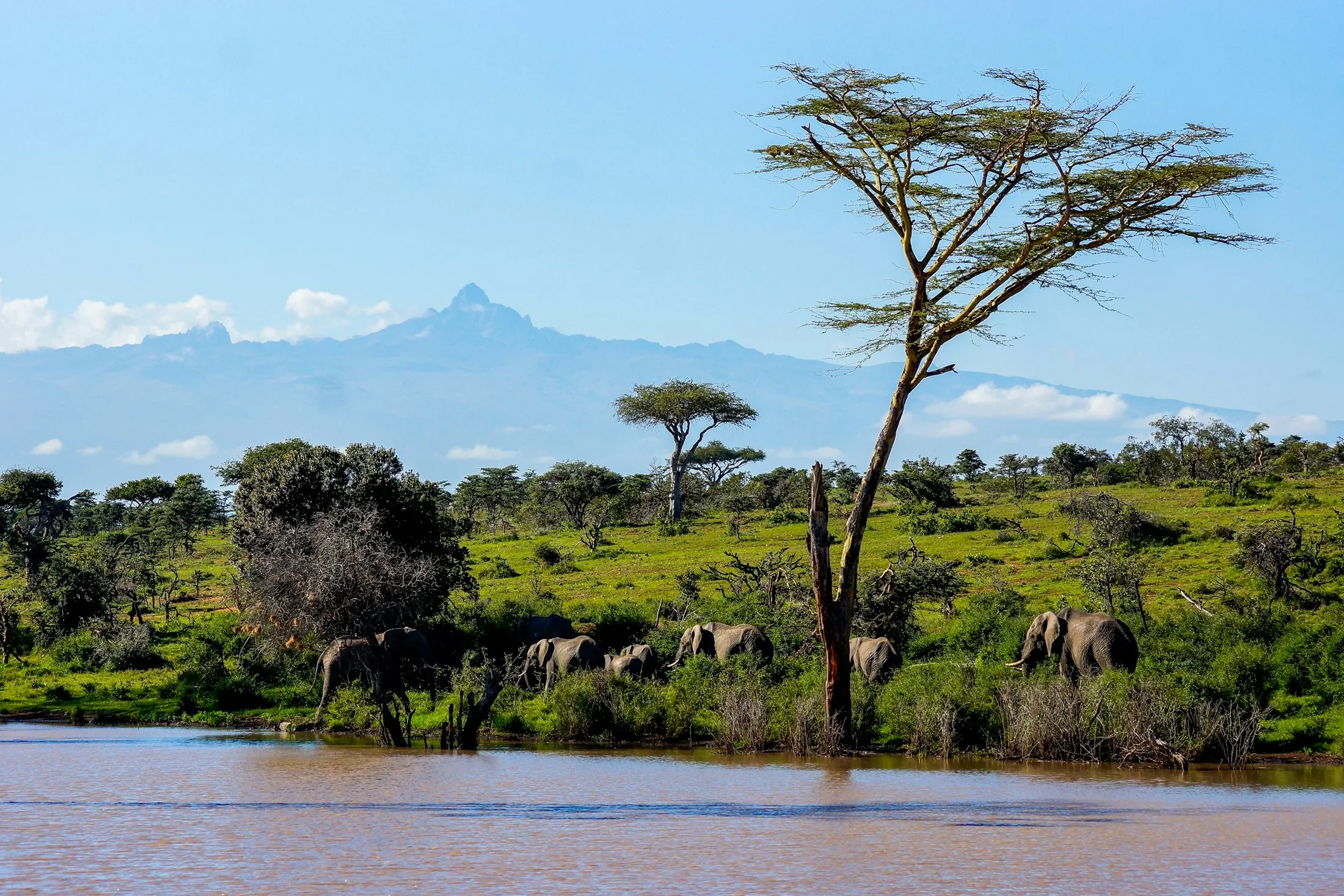
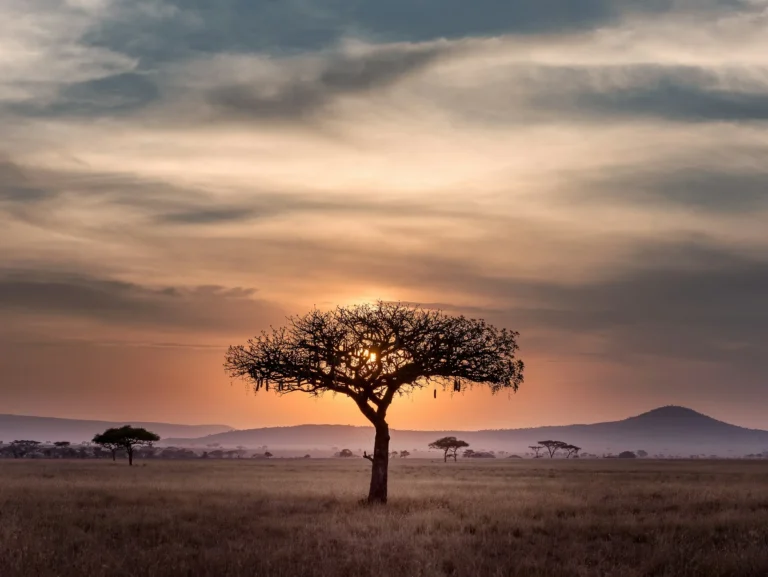
Most One Health conversations start in a clinic or a laboratory. In much of Africa they should start in the landscape: the rangeland, wetland or forest edge where people, livestock and wildlife share the same water and the same risks.
- One Health is an integrated approach that aims to balance and optimise the health of people, animals and ecosystems together.
- In pastoral and conservation landscapes, environmental data such as vegetation and surface water can give early warning of health risks.
- Funding still arrives in silos. Landscape programmes that combine conservation, livelihoods and health are where the biggest gains sit.
What is One Health?
In December 2021 the World Health Organization, FAO, the World Organisation for Animal Health and UNEP endorsed a common definition from the One Health High-Level Expert Panel: One Health is an integrated, unifying approach that aims to sustainably balance and optimise the health of people, animals and ecosystems, recognising that they are closely linked and interdependent.
The definition matters because it puts ecosystems on an equal footing with human and animal health. Land, water and biodiversity are not background. They are part of the health system.
The One Health web in a working landscape
Tap a node to see how it connects to the others.
Every link in this diagram is a pathway for benefit or for risk: food, income and water, but also disease, conflict and degradation.
Why landscapes are where One Health happens
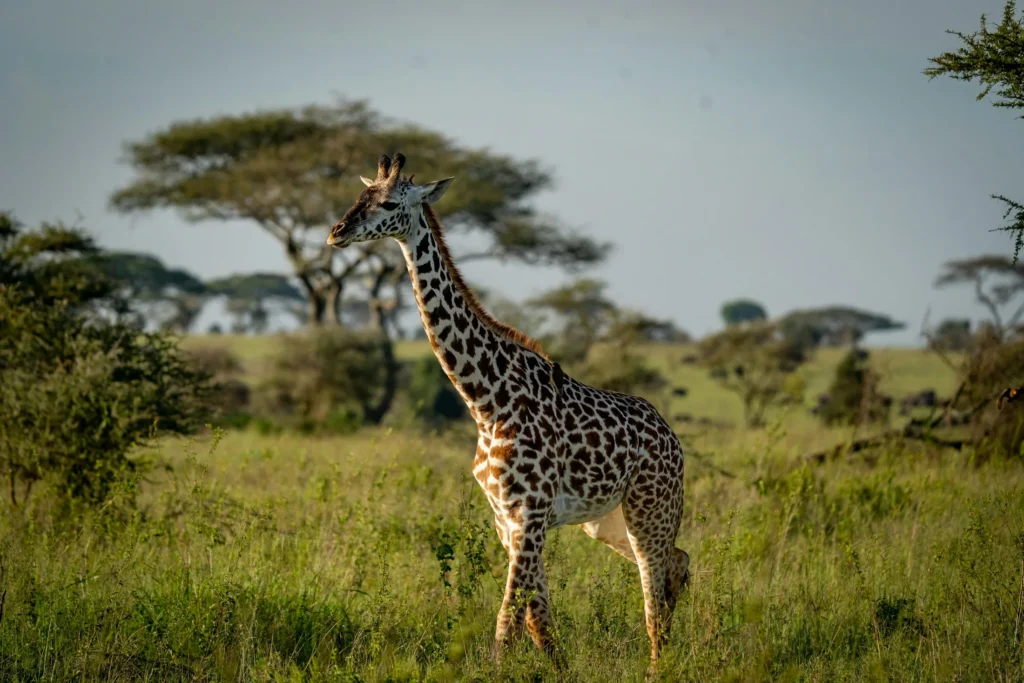
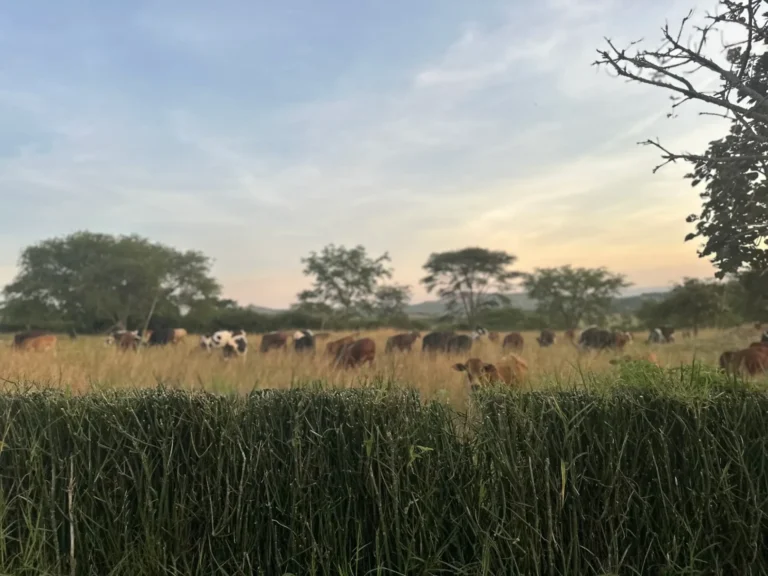
In a pastoral county or a park buffer zone, the same water point serves cattle, goats, wildlife and children. A drought that strips the rangeland pushes herds and wildlife together, raises conflict and spreads disease. A good rainy season does the opposite. Health outcomes follow the condition of the land.
That is why One Health is also a natural capital question. A degraded rangeland is not only an environmental loss. It is a future cost to clinics, veterinary services and household budgets.
Lessons from HEARTH
At USAID, Moffatt was part of the Washington working group that shaped HEARTH (Health, Ecosystems and Agriculture for Resilient, Thriving Societies), an initiative that brought conservation, health and livelihoods together with private-sector partners. HEARTH launched in December 2019 and grew to 17 projects in 12 countries, including activities linked to Kenya's Maasai Mara and the Okavango in Angola.
The main lesson was practical: integration works when partners share a geography and a set of results, not just a strategy document.
In a pastoral county or a park buffer zone, the same water point serves cattle, goats, wildlife and children.
Using environmental data for early warning
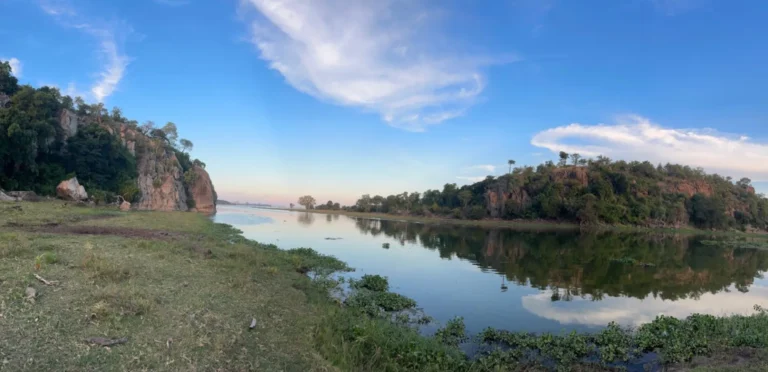
In Mozambique, Moffatt worked with health colleagues and the President's Malaria Initiative team on an idea that captures One Health thinking: combine long-running food-security data with satellite vegetation indices and surface-water detection to anticipate where mosquitoes will breed and outbreaks may follow, for the communities around Gorongosa National Park.
The work reached the stage of workshops with ministry, private-sector and civil-society partners before USAID's closure stopped it. The approach remains sound. Rangeland and wetland monitoring tools, the same ones used for rangeland validation, can serve health systems too.
What One Health needs to scale
- Shared data. Health, veterinary and environmental data on the same map and the same calendar.
- Landscape budgets. Financing that follows a place rather than a sector, so a water point can be planned for people, herds and wildlife at once.
- Community institutions. Conservancies, grazing committees and community health volunteers are already the front line. They need to be resourced as such.
- Measured outcomes. Fewer outbreaks, fewer conflict incidents, healthier rangelands, tracked over time as part of a natural capital account.
Try our free One Health Landscape Screener to see where your programme or landscape sits on these dimensions.
Frequently asked questions
What is the One Health approach?
One Health is an integrated, unifying approach that aims to sustainably balance and optimise the health of people, animals and ecosystems, recognising that they are closely linked. The definition was endorsed by WHO, FAO, WOAH and UNEP in December 2021.
Why is One Health important in Africa?
Many Africans live where people, livestock and wildlife share land and water. Disease, conflict and land degradation move between them, so planning health, agriculture and conservation together is more effective.
What was HEARTH?
HEARTH (Health, Ecosystems and Agriculture for Resilient, Thriving Societies) was a USAID initiative launched in December 2019 that combined conservation, health and livelihoods with private-sector partners, growing to 17 projects in 12 countries.
Founder and CEO of Zingira Pesa. Ecologist, former USAID Environment Diplomat in Mozambique and NASA Earth System Science Fellow, with 16 years of public service across 32+ countries. More about Moffatt · LinkedIn
- World Health Organization (2021). Tripartite and UNEP support OHHLEP’s definition of One Health.
- Esri StoryMaps (2024). HEARTH interview featuring Moffatt Ngugi, then Natural Resources Officer, USAID/Mozambique.
Designing a One Health or landscape programme?
We help partners connect health, agriculture and conservation data, and build programmes that can be measured and financed.