At a glance
29plain-language definitions
4subject areas: natural capital accounting, carbon and biodiversity markets, rangelands and One Health
A–Zjump straight to any letter, or search the list
Spotlight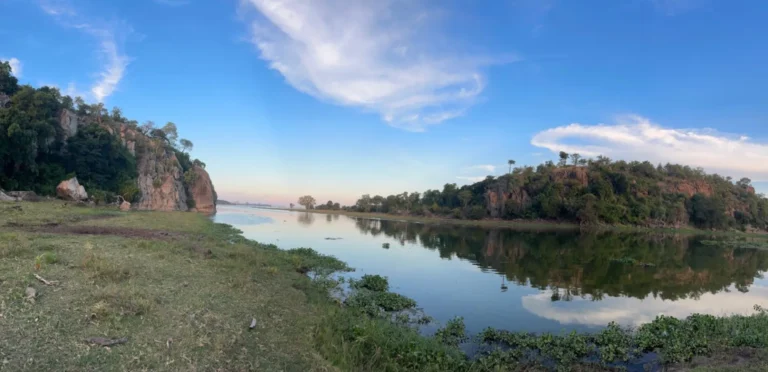 Natural capitalThe stock of renewable and non-renewable natural assets, such as soils, water, forests, grasslands and wildlife, that provide benefits to people.
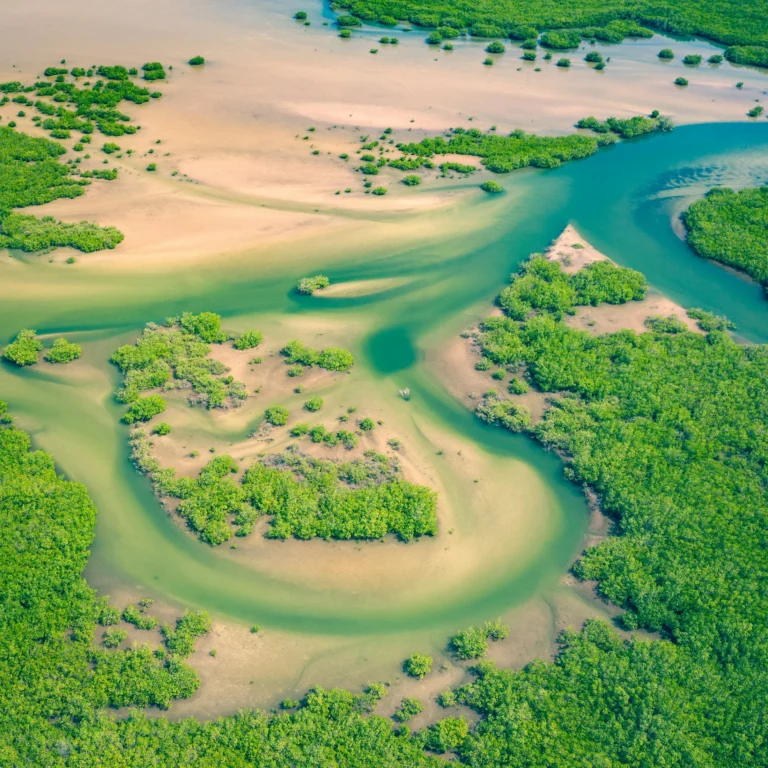 Blue carbonCarbon captured and stored by coastal and marine ecosystems, especially mangroves, seagrass meadows and tidal marshes.
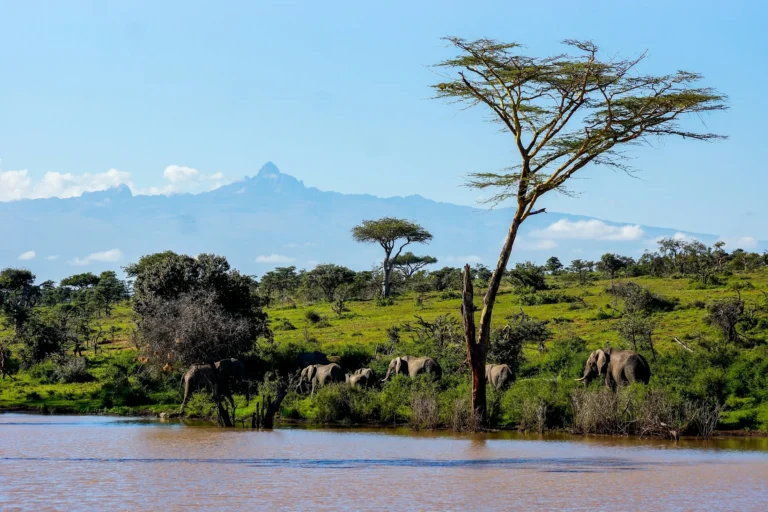 One HealthAn integrated approach that aims to sustainably balance and optimise the health of people, animals and ecosystems, recognising that they are closely linked.
Three terms to start with
Natural capitalThe stock of renewable and non-renewable natural assets, such as soils, water, forests, grasslands and wildlife, that provide benefits to people.Blue carbonCarbon captured and stored by coastal and marine ecosystems, especially mangroves, seagrass meadows and tidal marshes.One HealthAn integrated approach that aims to sustainably balance and optimise the health of people, animals and ecosystems, recognising that they are closely linked.- Additionality
- The test of whether a climate or nature benefit would have happened without the project or the finance behind it. Credits are only credible if the benefit is additional. Read more
- Afforestation, reforestation and revegetation (ARR)
- Carbon project activities that grow new trees or vegetation on land that lacked them, generating removal credits as biomass and soil carbon accumulate.
- Benefit-sharing
- The agreed rules for how revenue from a project, such as carbon credit sales, is divided between communities, landowners, developers and others. Read more
- Biodiversity credit
- A certificate representing a measured and verified positive outcome for biodiversity, such as habitat restored or protected to a defined condition. Standards are still emerging. Read more
- Blue carbon
- Carbon captured and stored by coastal and marine ecosystems, especially mangroves, seagrass meadows and tidal marshes. Read more
- Buffer pool
- A share of credits set aside and not sold, to insure against reversals such as fire, drought or deforestation. Read more
- Carbon credit
- A tradable certificate representing one tonne of carbon dioxide equivalent reduced or removed from the atmosphere, verified under a recognised standard. Read more
- Climate finance
- Public and private finance that supports climate change mitigation and adaptation, including grants, loans, guarantees, equity and results-based payments.
- Climate-smart agriculture
- An approach to farming that aims to raise productivity, strengthen resilience to climate change and reduce emissions where possible. Read more
- Condition account
- In ecosystem accounting, the record of how healthy each ecosystem is, using indicators such as vegetation cover, soil carbon or water quality, compared with a reference condition. Read more
- Double counting
- Claiming the same emission reduction or nature outcome more than once, for example by two buyers or by a buyer and a country. High-integrity markets prevent it through registries and authorisations.
- Ecosystem accounting
- The part of the UN SEEA framework that records ecosystems as assets, covering their extent, condition, services and value. Read more
- Ecosystem services
- The benefits people obtain from ecosystems, such as food, fodder, clean water, flood regulation, carbon storage, pollination and recreation. Read more
- Extent account
- In ecosystem accounting, the record of the area of each ecosystem type at the start and end of a period, and the conversions between them. Read more
- Free, prior and informed consent (FPIC)
- The right of indigenous peoples and local communities to give or withhold consent to projects affecting their lands and resources, without coercion, in advance and with full information.
- Ground-truthing
- Collecting field observations at known locations to check or calibrate what satellite or aerial imagery shows. Read more
- Human-wildlife conflict
- Negative interactions between people and wild animals, such as crop raiding, livestock predation, injury or death, that harm both people and wildlife. Read more
- Key resource area
- A small part of a dry landscape, such as a swamp or river valley, that keeps providing forage and water in the dry season and carries herds and wildlife through drought. Read more
- MRV
- Measurement, reporting and verification: the systems used to quantify outcomes such as emission reductions or habitat gains, report them and have them independently checked. Read more
- Natural capital
- The stock of renewable and non-renewable natural assets, such as soils, water, forests, grasslands and wildlife, that provide benefits to people. Read more
- Natural capital accounting
- Measuring natural assets and the services they provide consistently over time, in physical and monetary terms, so that changes can be tracked alongside economic accounts. Read more
- Nature-based solutions
- Actions that protect, sustainably manage or restore ecosystems to address societal challenges such as climate change, food security or disaster risk, while benefiting people and biodiversity.
- One Health
- An integrated approach that aims to sustainably balance and optimise the health of people, animals and ecosystems, recognising that they are closely linked. Read more
- Permanence
- How long a carbon or nature benefit lasts. Credits must account for the risk that stored carbon is released or protected habitat is lost.
- REDD+
- Reducing emissions from deforestation and forest degradation, plus conservation, sustainable forest management and enhancement of forest carbon stocks.
- Remote sensing
- Gathering information about the Earth from satellites, aircraft or drones, such as vegetation cover, land use, water and surface temperature. Read more
- SEEA
- The System of Environmental-Economic Accounting, the UN statistical standard for integrating environmental information with economic accounts. Its Ecosystem Accounting module was adopted in 2021. Read more
- Zoonosis
- A disease that can pass between animals and people, such as rabies, brucellosis or Rift Valley fever. Read more
Have a term we should add?
We keep this glossary growing with the questions our partners ask.